Exploring Ehime
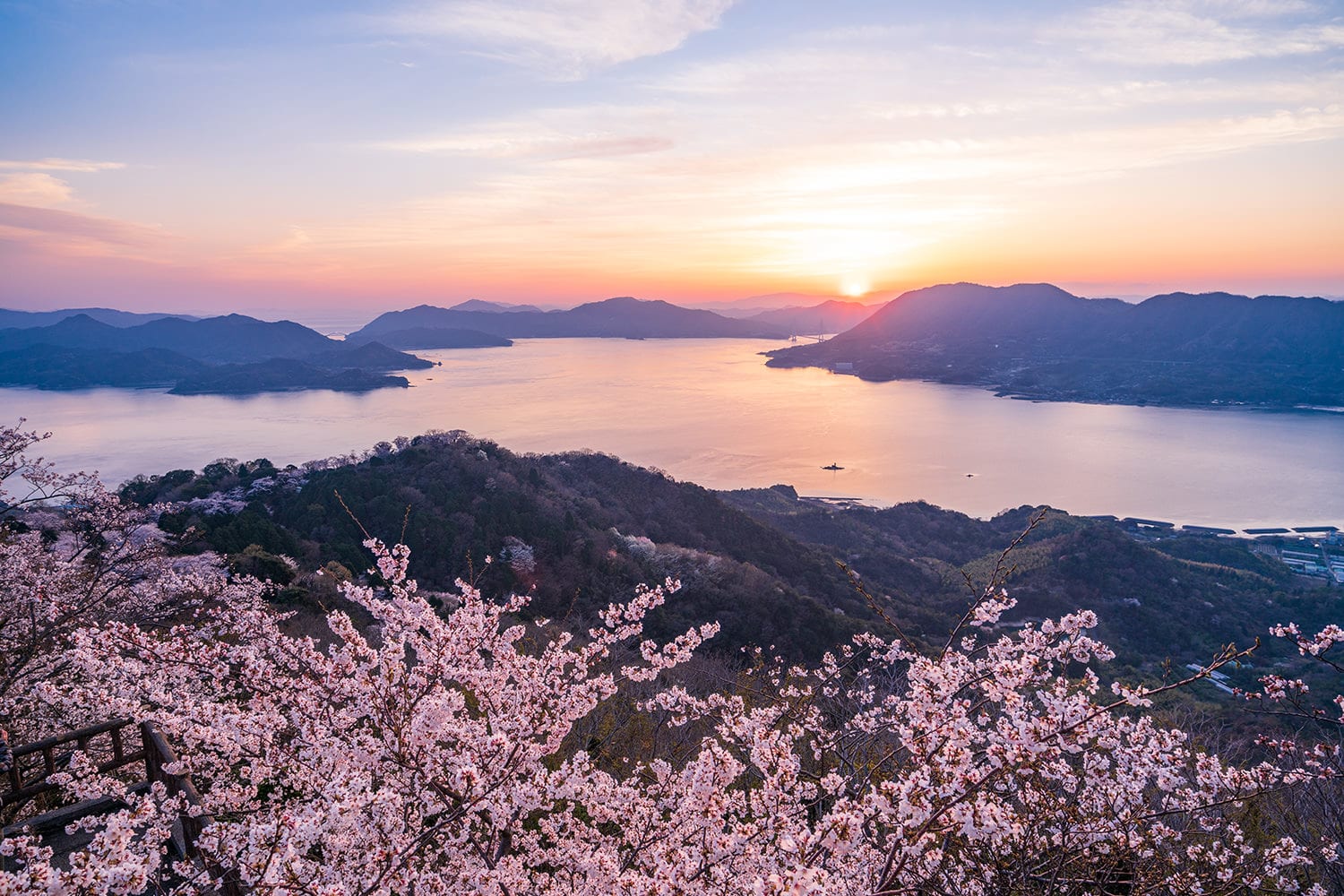
Cherry blossoms at sunset over the Seto Inland Sea from Mt. Sekizen, Ehime
Travel Guide · Ehime · Shikoku

The Ehime Adventure TrailFrom Sea to Summit

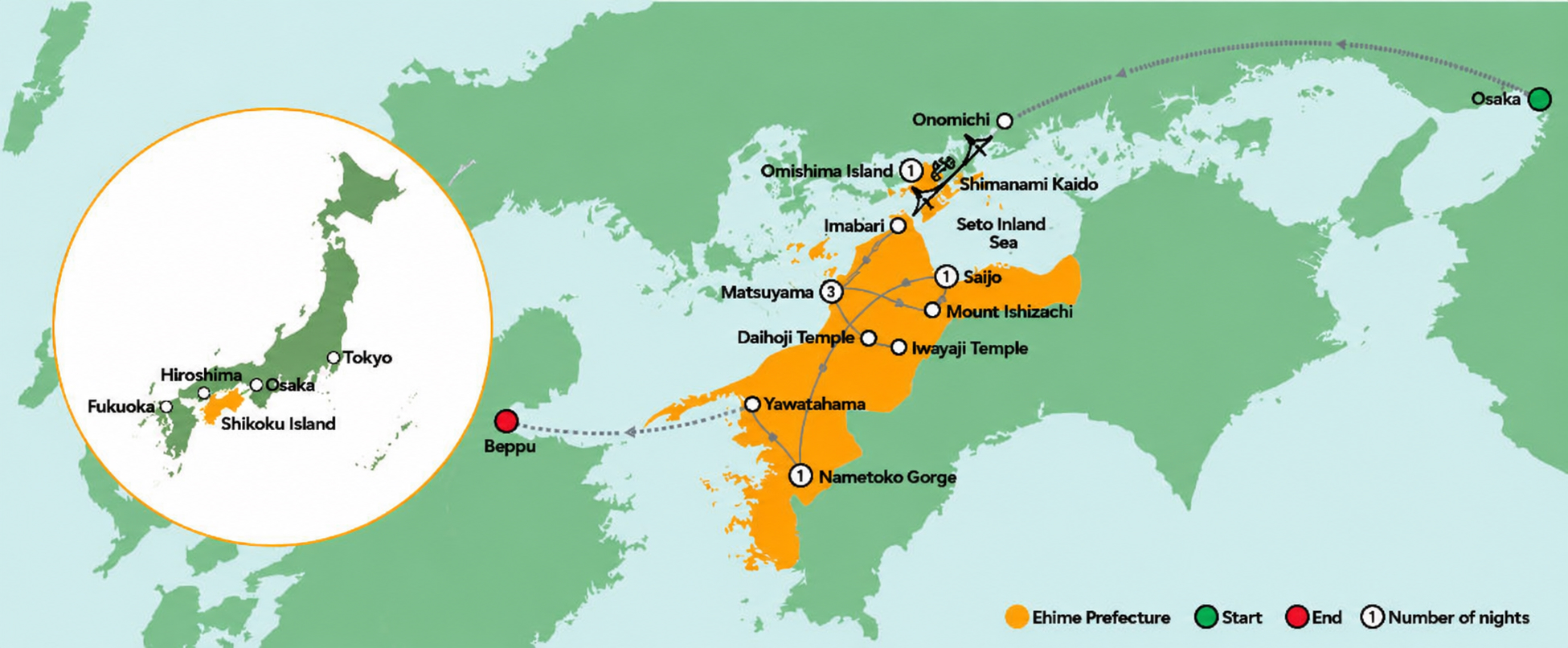
Seven days from Osaka to Beppu — cycling the Shimanami Kaido, hiking a section of the Shikoku pilgrimage trail, climbing one of Japan's seven sacred peaks, and canyoning through Nametoko Gorge.

Duration
7 days · 6 nights
Start
Osaka
End
Beppu
Best for
Active travellers
Map of the Ehime Adventure Trail route from Osaka through the Shimanami Kaido, Matsuyama, Mt. Ishizuchi and Nametoko Gorge to Beppu
Trip Overview

Seven days, sea to summit.

From cycling across the islands and soaring bridges of the Shimanami Kaido to following ancient pilgrimage trails through cedar forests, climbing the sacred slopes of Mt Ishizuchi and canyoning through the crystal-clear waters of Nametoko Gorge, this journey reveals Ehime at its most adventurous.

The landscape changes almost daily. Begin beside the Seto Inland Sea, cycling between small island communities and citrus orchards before slowing the pace in Matsuyama for castle views, local food and a restorative soak in historic Dogo Onsen. From here, head deep into the mountains to walk part of the 1,200-year-old Shikoku Henro pilgrimage route, tackle western Japan's highest peak and finish amongst the waterfalls and forested valleys of southern Ehime.

It's a journey that balances genuine physical challenge with cultural encounters, memorable accommodation and plenty of opportunities to recover in an onsen, before crossing the sea to Beppu and continuing your adventure through Kyushu.

Day 1

Osaka → Onomichi → Omishima
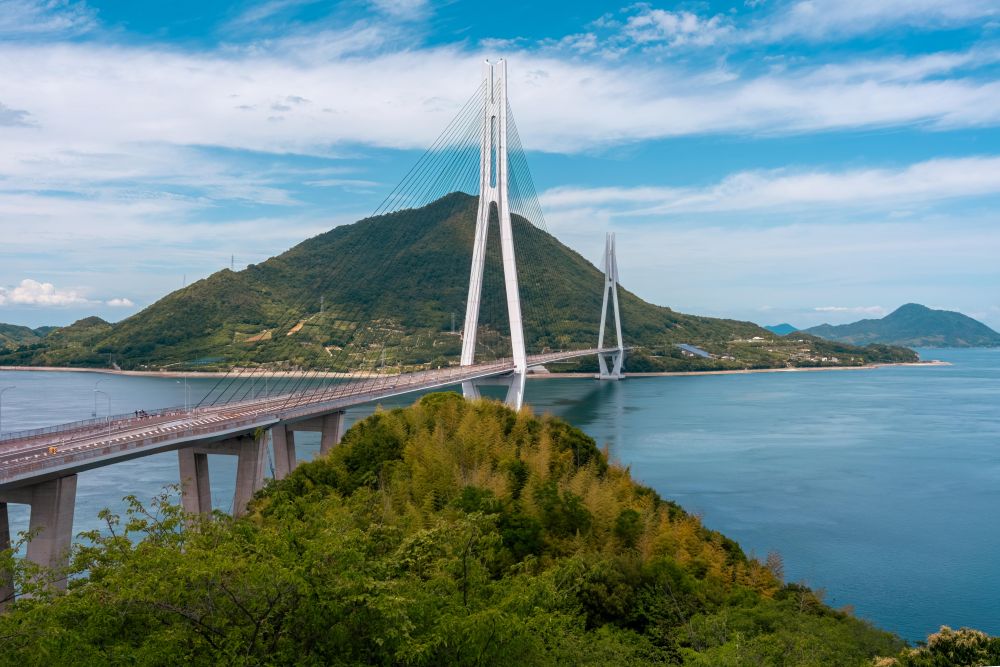
Shinkansen → Fukuyama (1 hr)JR Local → Onomichi (20 min)Ferry Crossing (10 min)Cycling ~39 km
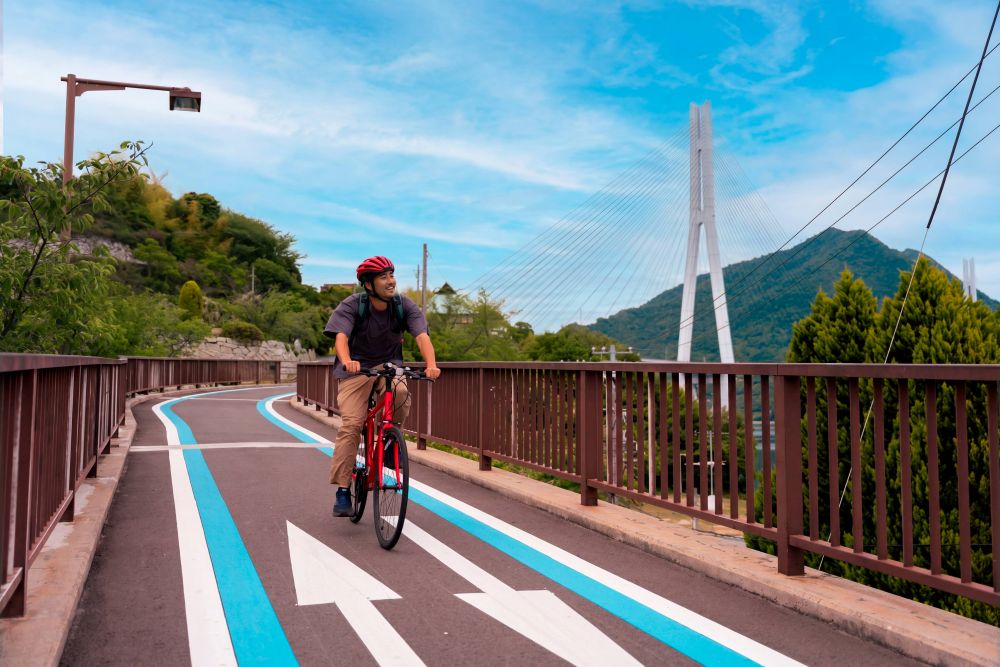
Shimanami Kaido bridge over the Seto Inland Sea

🚅 Osaka to Onomichi

Leave the bright lights of Osaka behind and travel by Sanyo Shinkansen from Shin-Osaka to Fukuyama, a journey of approximately one hour. From Fukuyama, change to the local JR Sanyo Line for the 20-minute journey to Onomichi, a charming port town overlooking the Seto Inland Sea and the starting point for your Shimanami Kaido adventure. Swap your luggage for bikes - it's time to set off. 

🚲 ⛴ Onomichi > Mukaishima - The Adventure Begins

Rather than starting with a bridge, the Shimanami Kaido begins with a short ferry ride across the Onomichi Channel. Walk your bike aboard one of the frequent local ferries and, less than 10 minutes later, step ashore on Mukaishima Island with approximately 70 kilometres of island-hopping adventure stretching ahead. From here, follow the famous blue line marking the cycling route as it winds along quiet coastal roads, through small island communities and across spectacular bridges suspended above the Seto Inland Sea. With sparkling water on one side and citrus-covered hillsides on the other, the scenery is reason enough to slow down and enjoy the ride. Today's approximately 39-kilometre route takes you across Mukaishima, Innoshima and Ikuchijima before finishing on Omishima, with plenty of opportunities to stop for coffee, ice cream, local food, beaches, temples and contemporary art along the way.
Day 2

Omishima → Imabari → Matsuyama

Cycling ~31 kmTrain → Matsuyama (35 min)
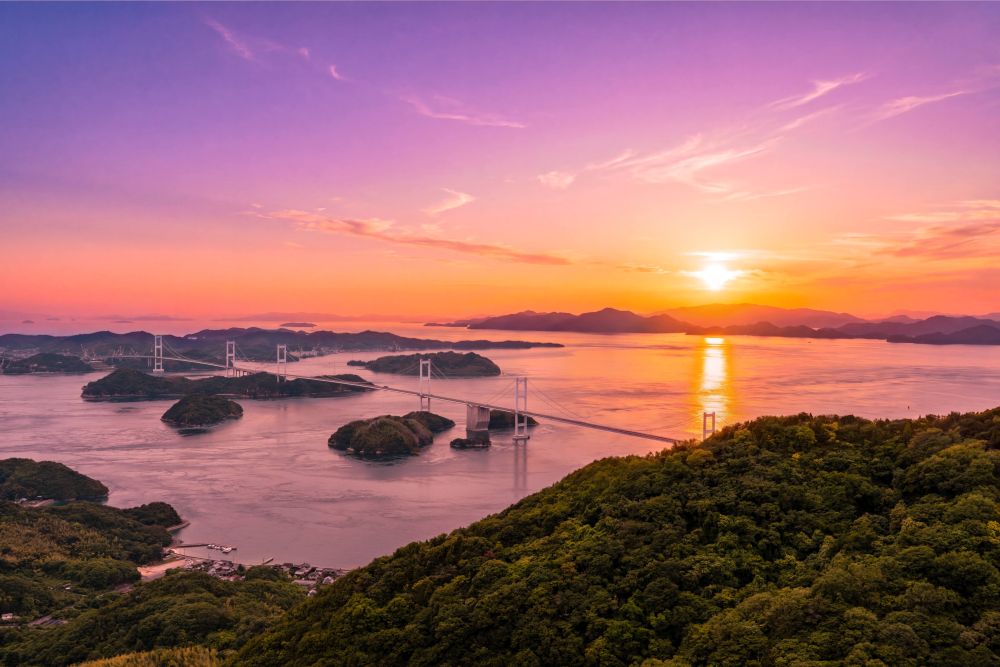
Cycling viewpoint overlooking the Kurushima-Kaikyo Bridge and Seto Inland Sea

🚲 Omishima → Shikoku: The Second Half of the Ride

Wake to the peaceful atmosphere of Omishima and get back on the bike for the second half of your Shimanami Kaido adventure. Today's ride takes you across the final islands of the route before an unforgettable finish - crossing the spectacular Kurushima-Kaikyo Bridge onto Shikoku.

At approximately 31 kilometres, the distance is slightly shorter than Day 1, leaving time to slow down, explore the islands and make a few worthwhile stops along the way.

🚂 Imabari → Matsuyama
Arrive at JR Imabari Station and swap bikes for your luggage. Take the train to JR Matsuyama Station (departures approx. every 30 minutes). Local trains take 1 hr 20 mins; express trains just 35 minutes. Upon arrival, take a taxi to your hotel and settle in for a two-night stay in Matsuyama.
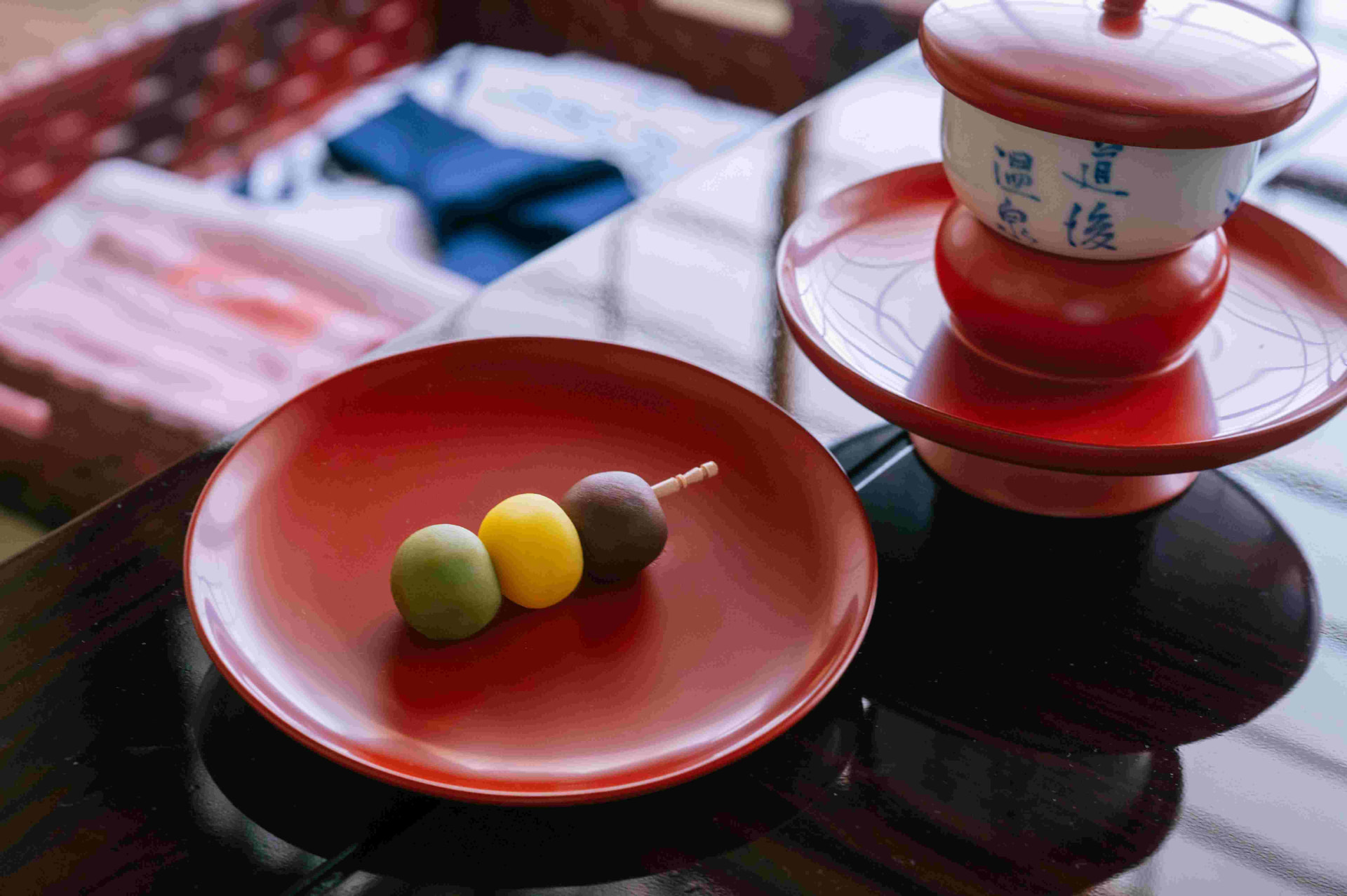
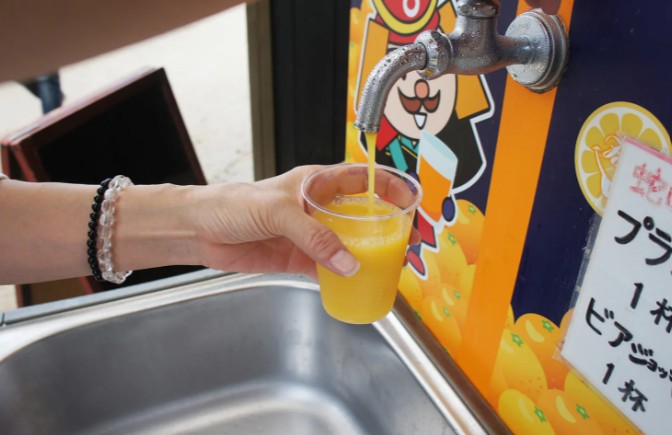
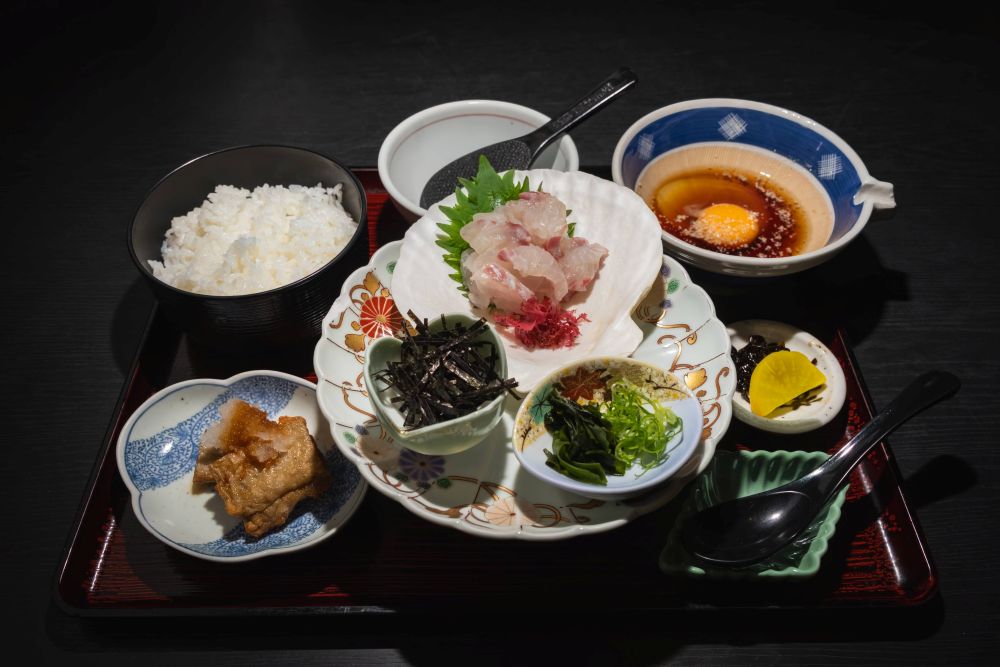
Tai-meshi teishoku set with sea bream, rice and side dishesBotchan dango sweet dumplings at Dogo OnsenFreshly poured Ehime mikan juice

🍱 Local Cuisine: What to Try in Matsuyama

Matsuyama sits between mountains, citrus-growing countryside and the Seto Inland Sea, and its food reflects all three.

  • Tai-meshi (sea bream rice) — sea bream cooked over rice with dashi. This is Ehime's signature dish. There are two different styles to try:
    1. Matsuyama style (cooked sea bream)
    2. Uwajima style (raw sea bream accompanied by a soy-based sauce and mixed with raw egg).
  • Jakoten — lightly fried fish cakes made from small whole fish, crisp outside and tender inside. Great as a snack or with sake.
  • Goshiki somen — five-coloured thin noodles, a Matsuyama specialty served chilled with dipping sauce.
  • Ehime Sweets: Botchan dango — three-coloured sweet dumplings inspired by Soseki's novel Botchan; a classic treat near Dogo Onsen or Nonoji Tart - sponge cake with yuzu red bean filling.
  • Mikan & citrus everything — Ehime is Japan's citrus capital. Look for fresh juice, mikan soft-serve, citrus daifuku and craft cocktails.
  • Imabari yakitori — grilled chicken pressed flat on a hot plate, a regional take from neighbouring Imabari that you'll find on many Matsuyama menus.
  • Ehime sake — (adults only) try labels like NIKITATSU (from Matsuyama's Minakuchi Shuzo brewery) and Ishizuchi (from Ishizuchi Shuzo, a sake brewery in Saijo City). 

After dinner, rest up. Tomorrow the bikes are left behind as you discover a completely different side of Ehime through Matsuyama Castle and the historic streets and bathhouses of Dogo Onsen.

Day 3

Explore Matsuyama

TramWalking
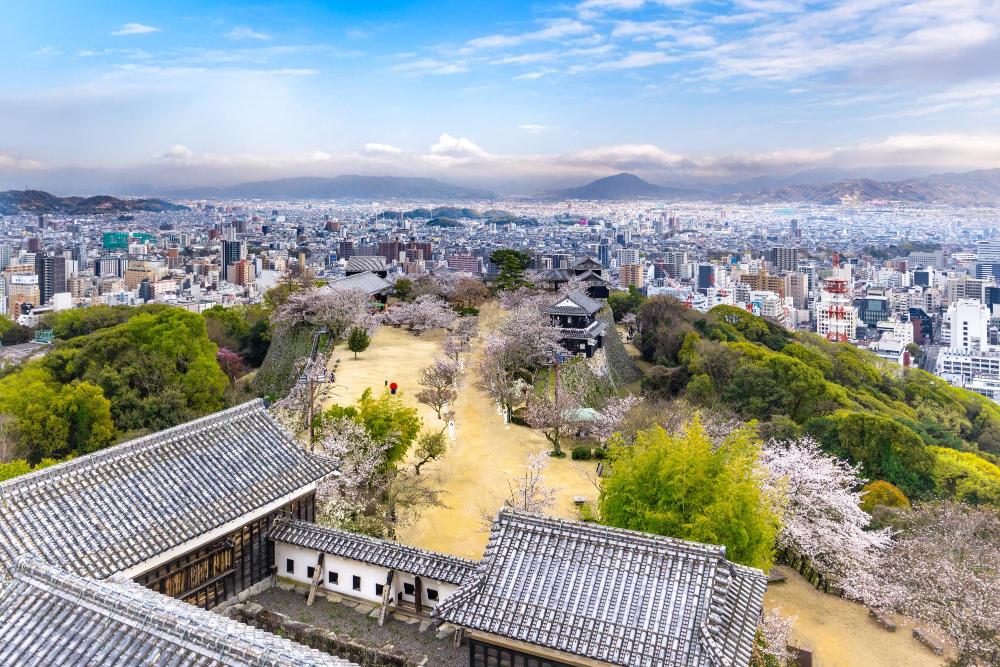
Matsuyama Castle and city skyline with cherry blossoms
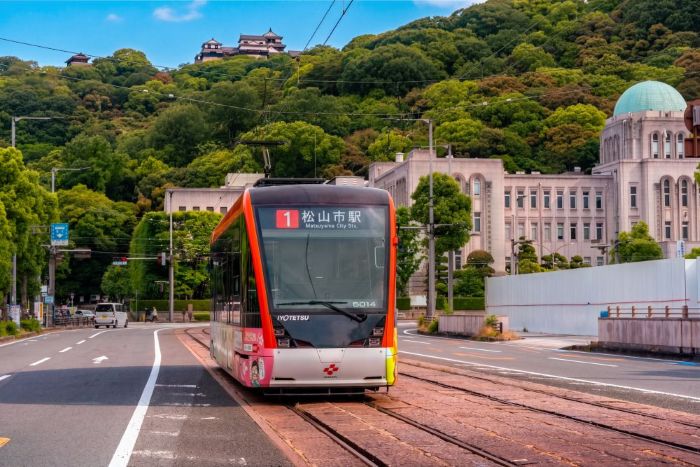
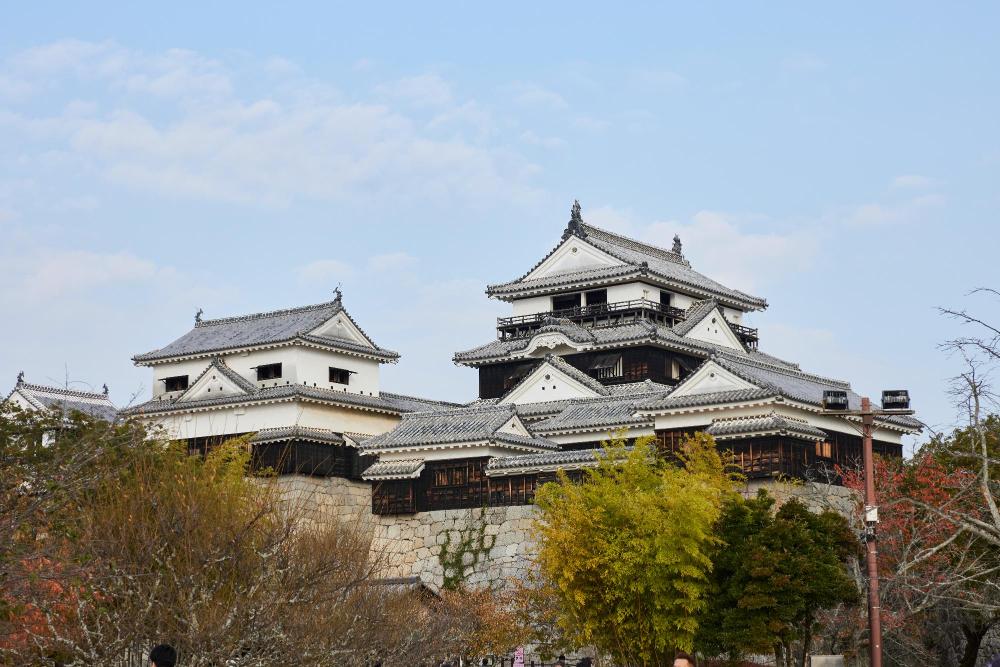
Iyotetsu tram in Matsuyama with the castle on the hill behindMatsuyama Castle keep with white walls and tiled roofs

Morning · Matsuyama Castle

Start the day at Matsuyama Castle, dramatically positioned on Mt Katsuyama high above the city. Dating to the early 1600s, it is one of only 12 castles in Japan to retain an original surviving main keep and provides a fascinating glimpse into the country's feudal past. Getting there is part of the fun. From Ropeway Street, choose between the ropeway or the open-air chairlift for the journey up the mountainside, with views opening across Matsuyama as you climb. Once at the top, explore the castle's imposing stone walls, defensive gates and original wooden interiors. Inside, steep staircases lead between floors filled with displays of samurai armour, swords and artefacts, while narrow openings and defensive features reveal how the fortress was designed to protect the city below.

📍 Other Matsuyama City Attractions

  • - Ninomaru Historical Garden
  • - Okaido Shopping Arcade & Ropeway Street

This is also a good opportunity to continue sampling Ehime's famous citrus. Look out for freshly squeezed mikan juice, citrus soft serve and local sweets, or visit one of the speciality stores showcasing the remarkable range of citrus varieties grown across the prefecture.
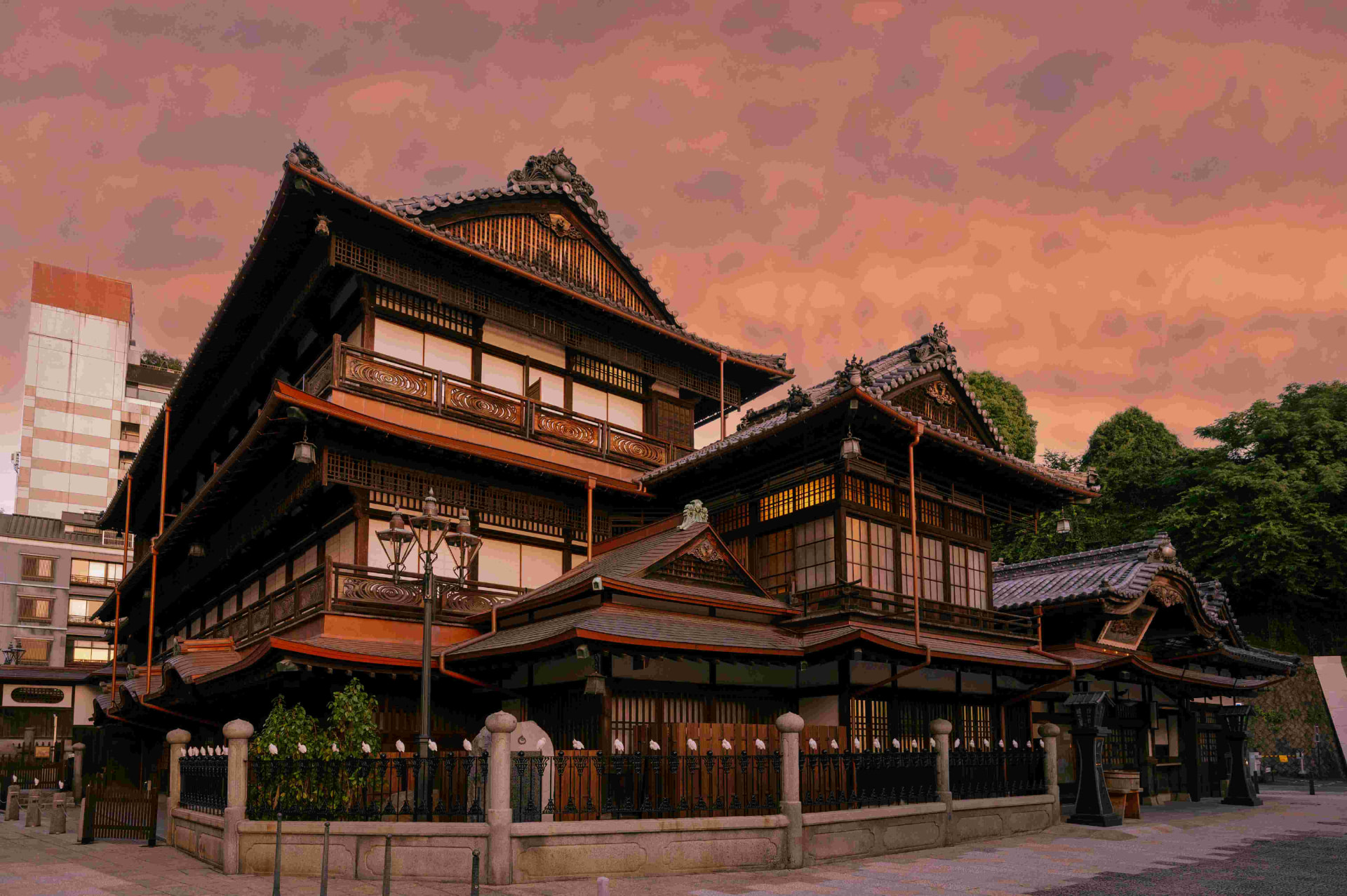
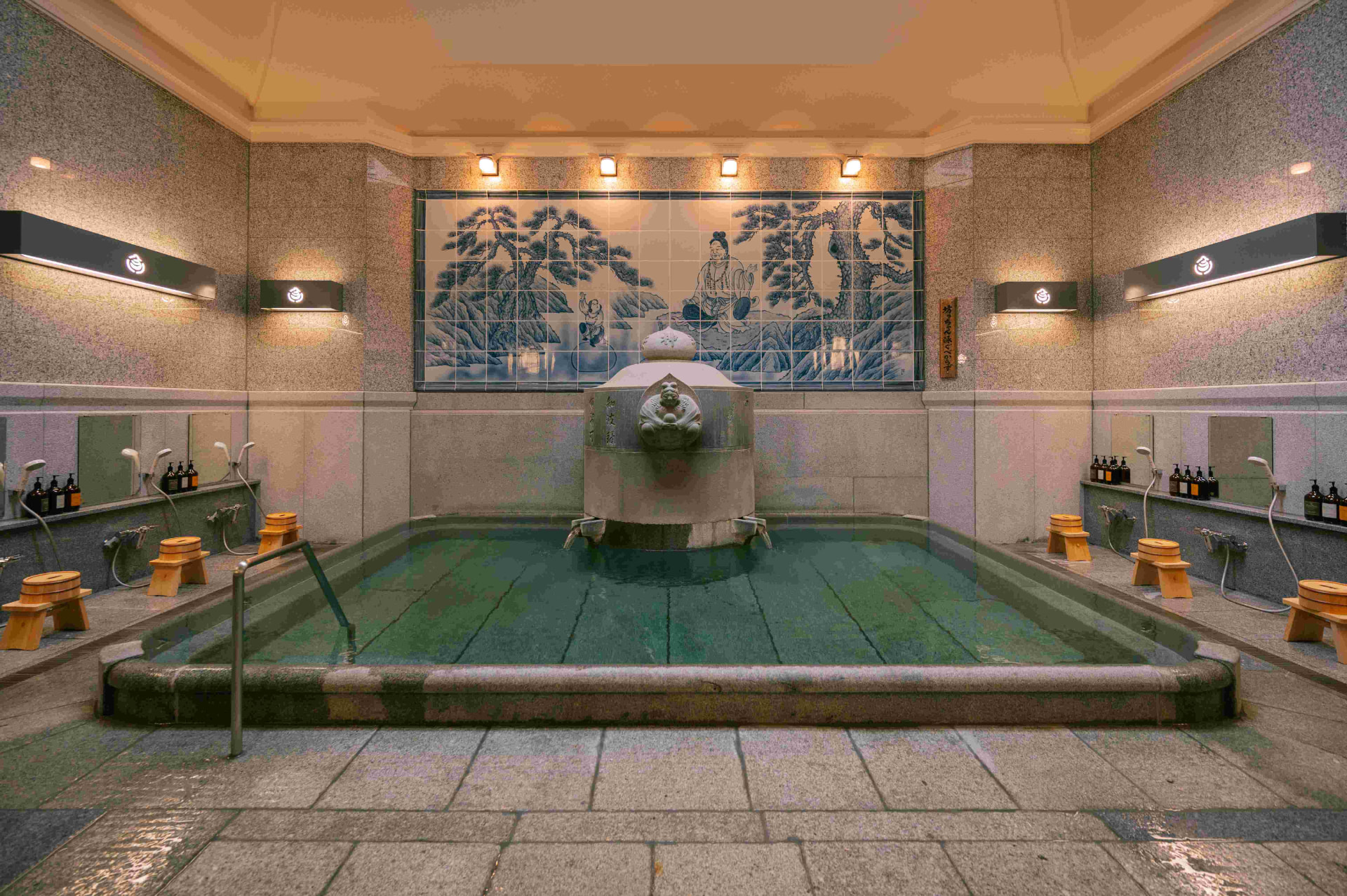
Dogo Onsen Honkan wooden bathhouse glowing at duskKami no Yu bathing room at Dogo Onsen with tiled mural and stone bath

Afternoon · Dogo Onsen District

Hop aboard one of Matsuyama's trams and travel to Dogo Onsen, where the atmosphere changes almost immediately as you step out at Dogo Station.

Dogo Onsen is one of Japan's most famous hot spring districts, known for its historic bathhouses and lively streets lined with shops, cafés and traditional ryokan. It's the perfect place to slow down, soak in the healing waters of Dogo Onsen. At the heart of Dogo is the magnificent Dogo Onsen Honkan, an atmospheric multi-storey wooden bathhouse that has become the symbol of the district. Step inside for a soak and experience the simple ritual that has drawn generations of visitors to Dogo: washing, bathing and taking time to do very little at all. This building is said to have inspired the bathhouse in Studio Ghibli's, Spirited Away. For a different interpretation of onsen culture, visit the nearby Dogo Onsen Annex Asuka-no-Yu, where traditional bathing is combined with contemporary art and design inspired by Ehime's history and craftsmanship. But don't rush away after your bath - browse the shops of Dogo, sample Botchan dango and citrus sweets, watch the Botchan Karakuri Clock spring to life or rest tired legs in a free footbath.  For another perspective, walk up to the Dogo Onsen Sky Walkway, where you can look across the rooftops towards the historic Honkan below.

Day 4

Matsuyama → Henro Pilgrimage Trail → Matsuyama
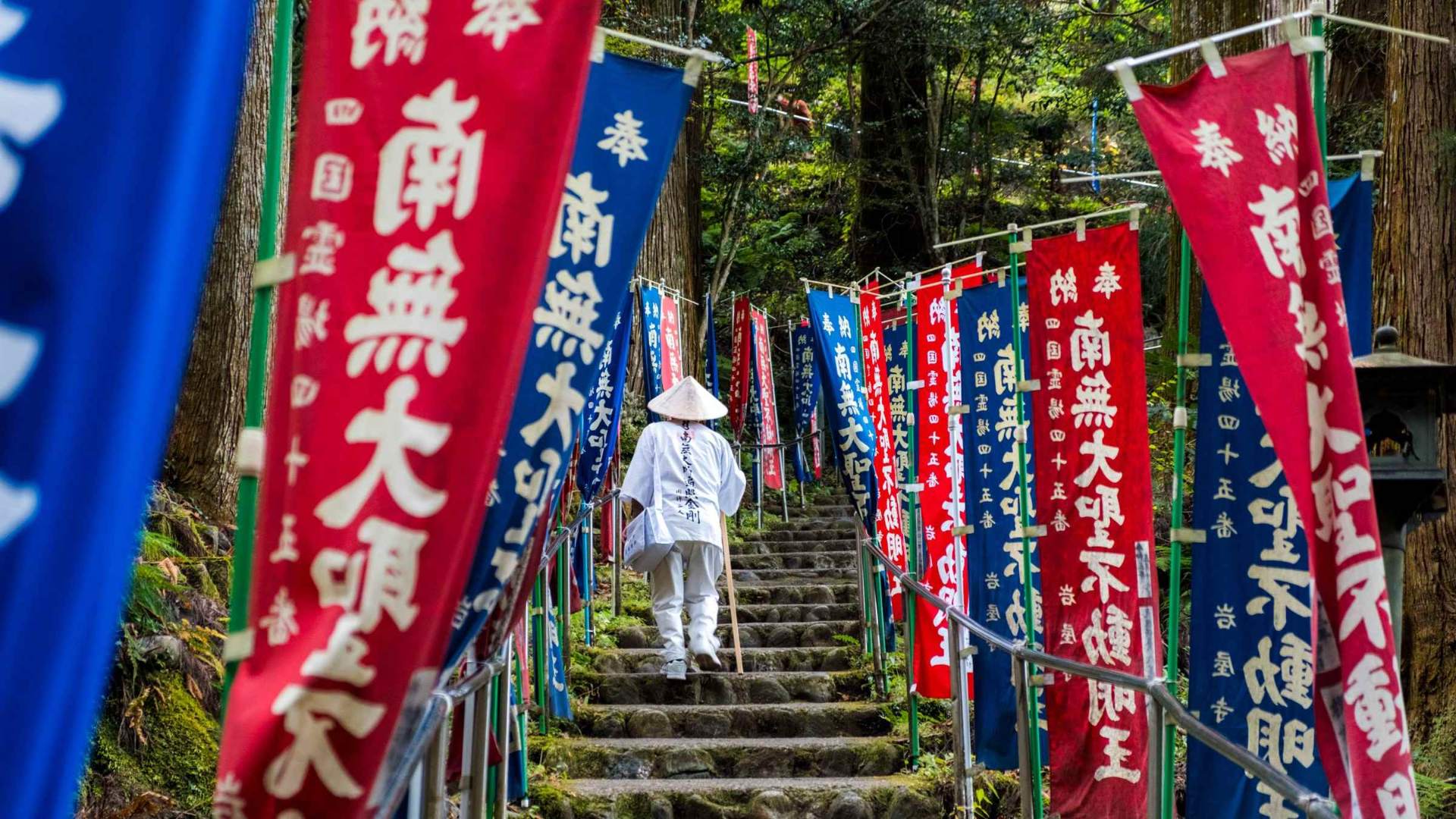
Hire Car (1 hr each way)Walking ~10 km
Henro pilgrim ascending stone steps lined with prayer banners at Iwayaji Temple

⛩️ Walking the Shikoku Henro Pilgrimage Trail
Today, leave Matsuyama behind and head deep into the mountains for a completely different kind of adventure. You'll walk a section of the Shikoku Henro, the ancient pilgrimage route connecting 88 sacred temples across Shikoku and closely associated with the Buddhist monk Kobo Daishi. Rather than simply visiting the temples by car, today's route allows you to experience part of the pilgrimage as it has been travelled for centuries - on foot, following quiet forest paths between Iwayaji Temple No. 45 and Daihoji Temple No. 44.
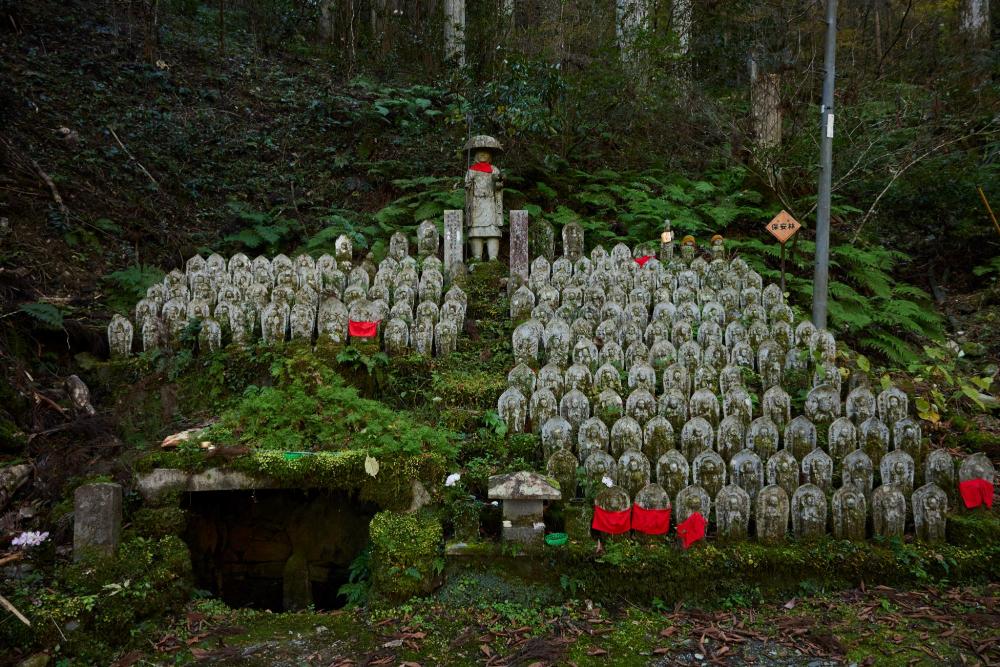
Hundreds of moss-covered Jizō statues at Iwayaji Temple

Iwayaji Temple

The 45th temple on the Shikoku Pilgrimage, dramatically set into the mountainside and reached via more than 800 stone steps. The path winds through cool forest, past moss-covered rocks, small shrines and rows of stone Jizō statues, before reaching the temples that to be tucked into the cliffs themselves.
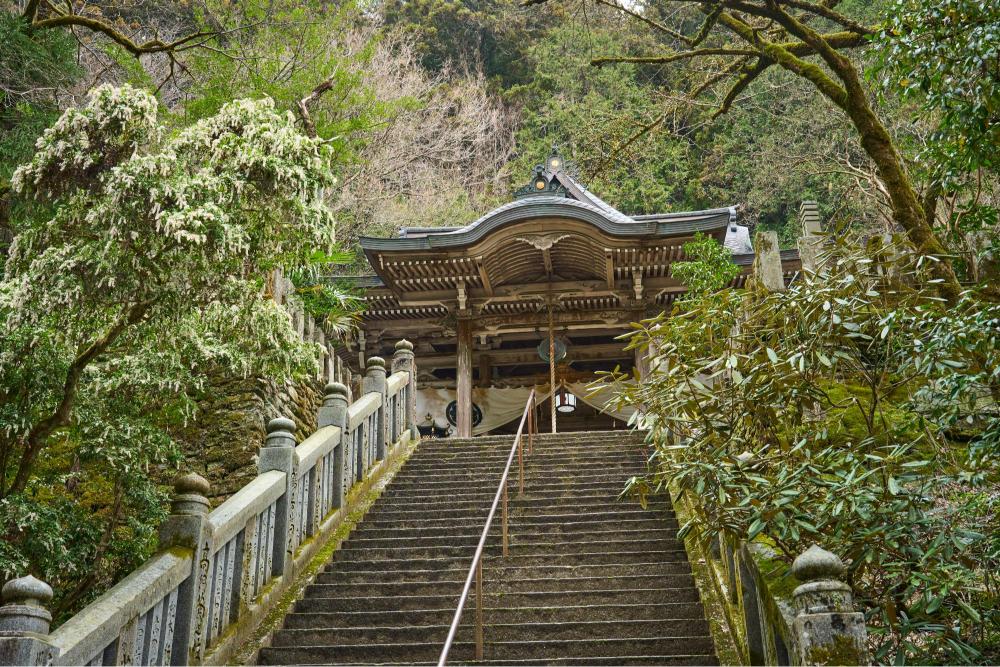
Stone staircase leading up to Daihōji Temple through the forest

Daihōji Temple

The 44th temple sits at 579 m in the Shikoku Mountains, surrounded by ancient forest. With a history spanning more than 1,300 years, it was designated by Kobo Daishi as the halfway point of the pilgrimage. Highlights include the Horidashi Kannon Bosatsu, a gilt bronze Eleven-faced Kannon statue believed to have healing powers.

Return to Matsuyama

Drive approximately one hour back to Matsuyama. After half a day walking through forests and exploring mountain temples, slipping into the warm waters of Dogo Onsen feels particularly rewarding. Enjoy a relaxed dinner and an early night because tomorrow brings the most challenging hike of the journey - Mt Ishizuchi, the highest mountain in western Japan.
Day 5

Matsuyama → Mt. Ishizuchi → Saijo

Drive (2 hr)Ishizuchi Tozan RopewayHiking
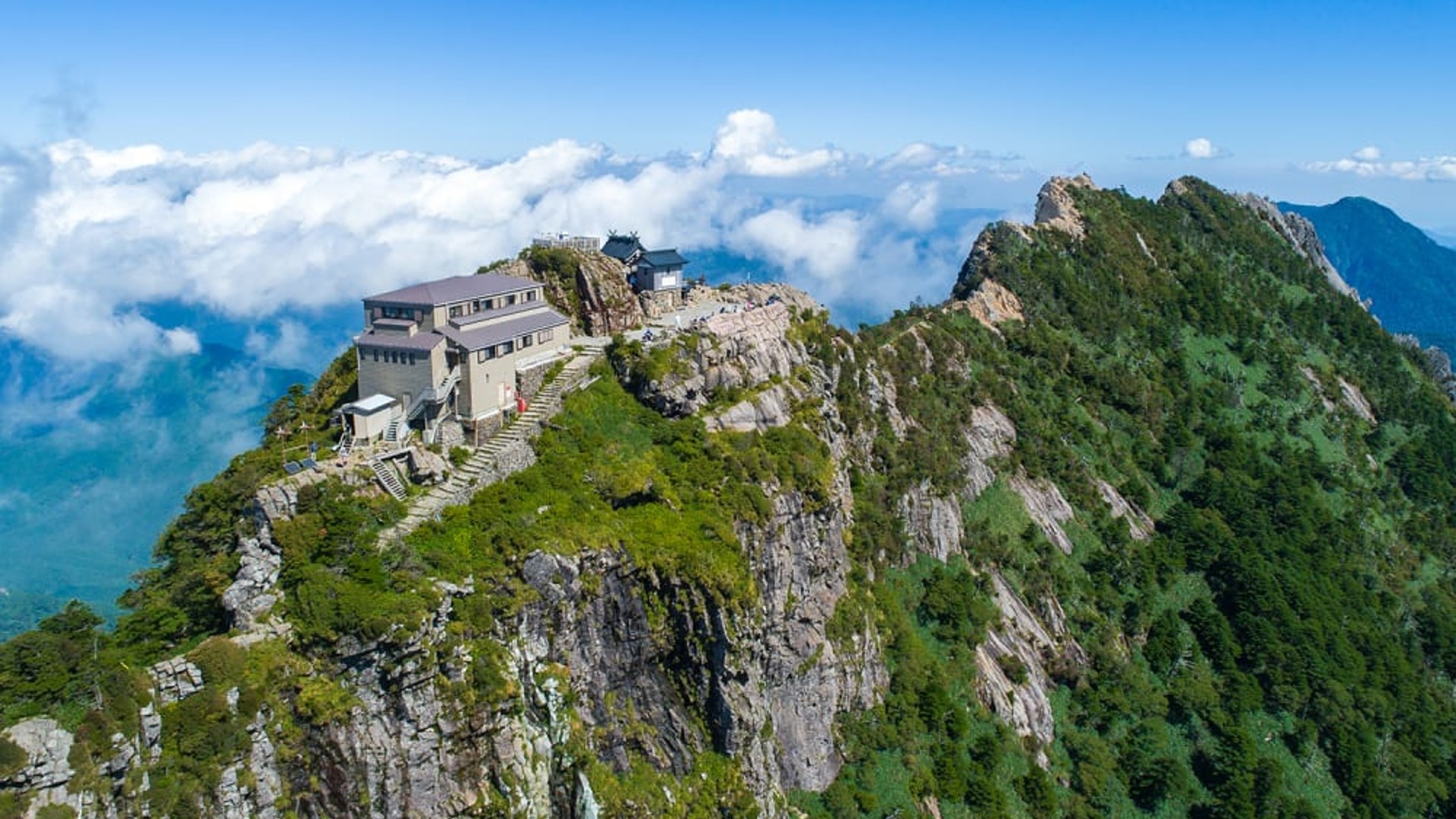
Panoramic view from the summit of Mt. Ishizuchi above the clouds

Sacred Peaks, Chain Climbs & Spectacular Mountain Views

Today brings the biggest mountain challenge of the journey. Rising 1,982 metres above sea level, Mt Ishizuchi is the highest mountain in western Japan and has been revered as a sacred site for centuries. The full return hike takes on average 6-7 hours and the main climbing season runs from May to October.

There are two main approaches to the mountain.

  1. 1. Omote Sando route - take the Ishizuchi Tozan Ropeway and start your mountain hike from Ishizuchi Shrine Jojusha.
  2. 2. Tsuchigoya route - take the Ishizuchi Skyline or drive up to enter the mountain area via Tsuchigoya Yohaiden.

🚠 Route 1: Start at the ropeway

Park at the Ishizuchi Tozan Ropeway Parking Station then take the Ishizuchi Tozan Ropeway to Joju Station (1,300 m) - enjoy sweeping mountain views on the eight-minute ascent. From the top, a well-marked trail leads through Okumaegami-ji Temple to Ishizuchi Shrine Jojusha (about 25 min walk), one of four sacred sites of Mt. Ishizuchi Shrine. 

🏔️ Climb Mt Ishizuchi

From Jojusha, follow the mountain trail through dense forest and increasingly exposed terrain towards the summit. Along the way, you'll encounter one of Mt Ishizuchi's most famous features - a series of heavy iron chains fixed into steep rock faces. These traditional chain climbs have long formed part of the pilgrimage to the summit and provide an exhilarating challenge for experienced and confident hikers. The chains are optional, with alternative trails allowing walkers to bypass them, so there's no need to tackle the exposed sections if conditions or confidence aren't right. As you gain altitude, the forest gradually gives way to expansive mountain views before reaching the summit area. On a clear day, the panorama stretches across the Seto Inland Sea, Shikoku's mountain ranges and towards Kyushu. For experienced hikers comfortable with exposed terrain, the dramatic rocky pinnacle of Tengudake, at 1,982 metres, provides the ultimate goal. Its narrow ridgeline and extraordinary views make for a spectacular finale, but this section should only be attempted in suitable weather and by those confident with heights and mountain conditions. The return journey is via the same route. 
Day 6

Saijo → Nametoko Gorge

Drive (2.5 hr)Canyoning (10:00–16:30)
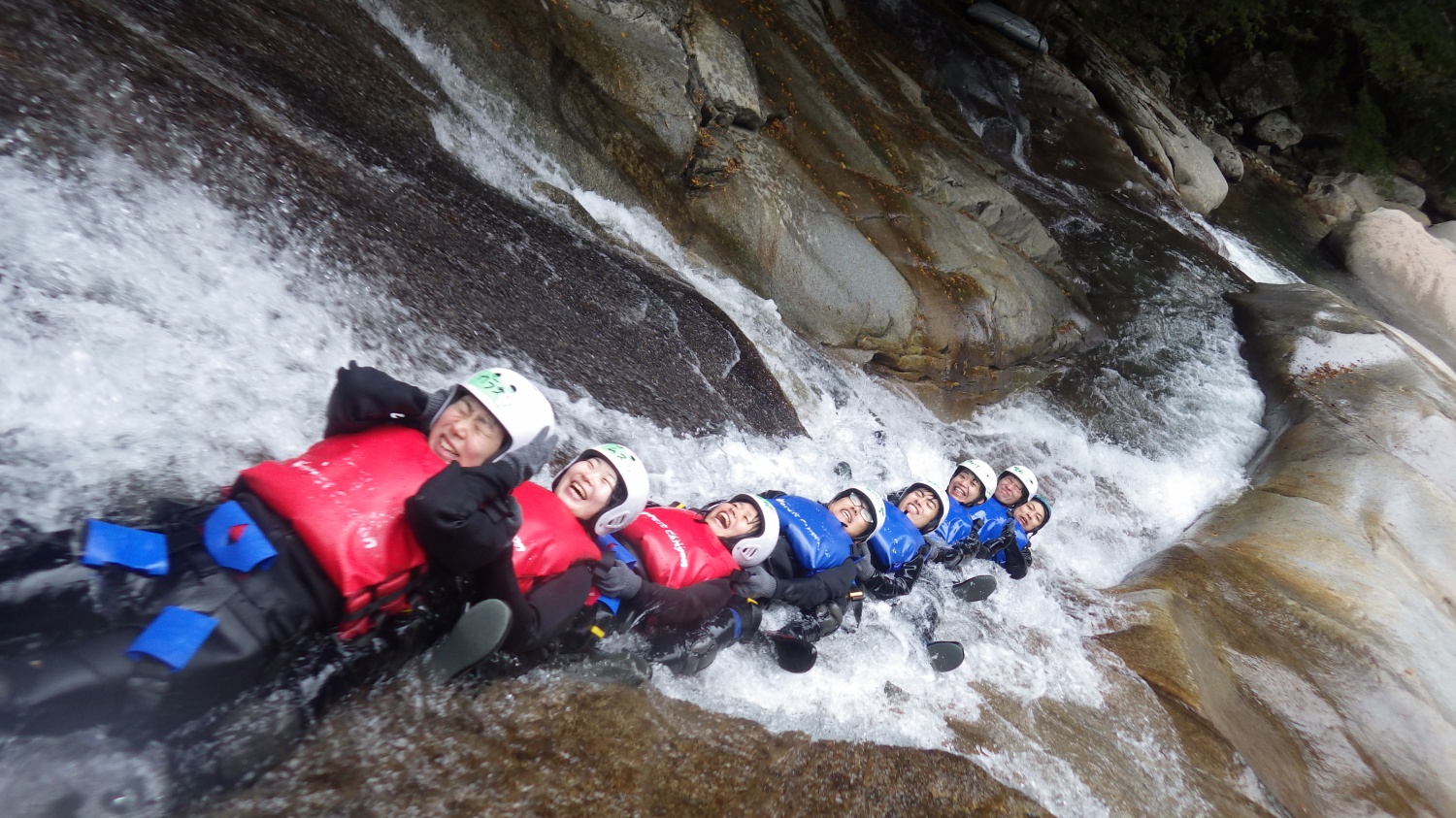
Nametoko Gorge Canyoning
After yesterday's mountain climb, today's adventure swaps hiking boots for a wetsuit as you travel south into the wild landscapes of Nametoko Gorge. Carved through the mountains by the crystal-clear waters of the Meguro River, the gorge is a natural playground of waterfalls, smooth granite rock faces, deep pools and dense forest, creating the perfect setting for an exhilarating day of canyoning.

🌲 Journey into Southern Ehime

Set out early for an unforgettable outdoor experience in southern Ehime. The 2.5-hour drive to Nametoko Gorge takes you through forested mountain passes and rural villages, offering glimpses of the untouched beauty that defines this region. Take the drive slowly as some sections are very windy.
Day 7

Nametoko → Yawatahama → Beppu

Drive (1h 20m)Taxi (10 min)Ferry → Beppu (2h 50m)
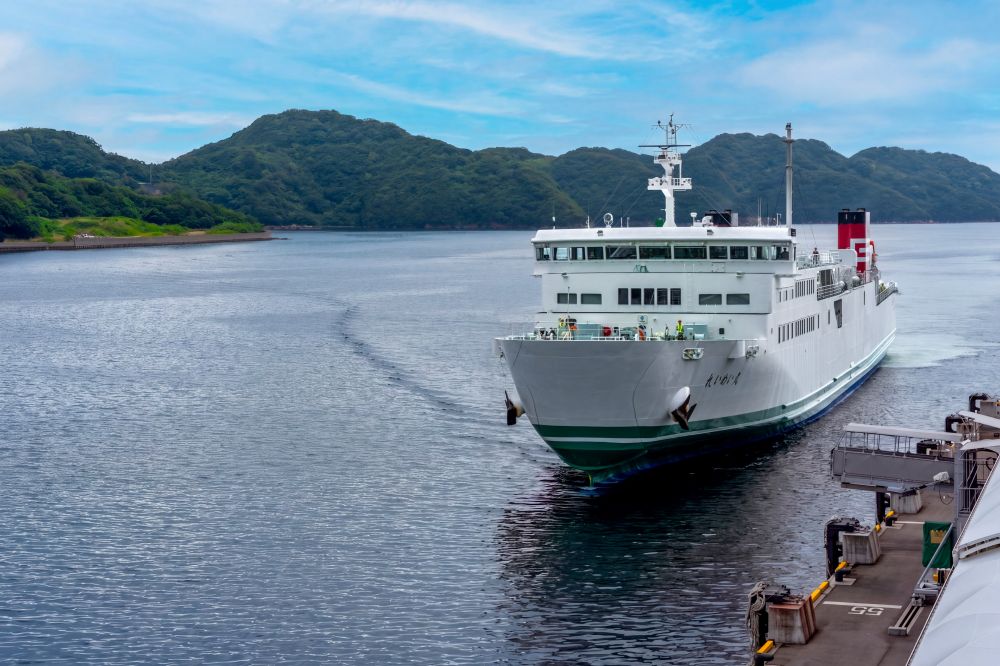
Yawatahama Ferry crossing the Seto Inland Sea

🚗 From the Mountains of Shikoku to the Hot Springs of Kyushu

After six days of cycling, hiking and canyoning, today offers a gentler finish to your Ehime adventure. Enjoy a relaxed morning surrounded by the forests and mountains of Nametoko Gorge before beginning the journey west towards the coast and your final crossing from Shikoku to Kyushu. After a relaxing morning in the mountains, drive to JR Yawatahama Station (1 hr 20 min), drop off your hire car and take a 10 min taxi to Yawatahama Port.
EXPLORE MORE

Ready to experience Ehime?

Ehime is easy to include in a wider Japan itinerary, but the best experiences often require local knowledge and careful planning. From cycling the Shimanami Kaido and staying in traditional ryokan to navigating ferries, trains and mountain hikes, a travel advisor can help create a seamless journey tailored to your interests.

Speak with your local travel advisor about including Ehime Prefecture in your next Japan holiday or take a look at our other itineraries:  - Ehime By Bike - Family Adventure

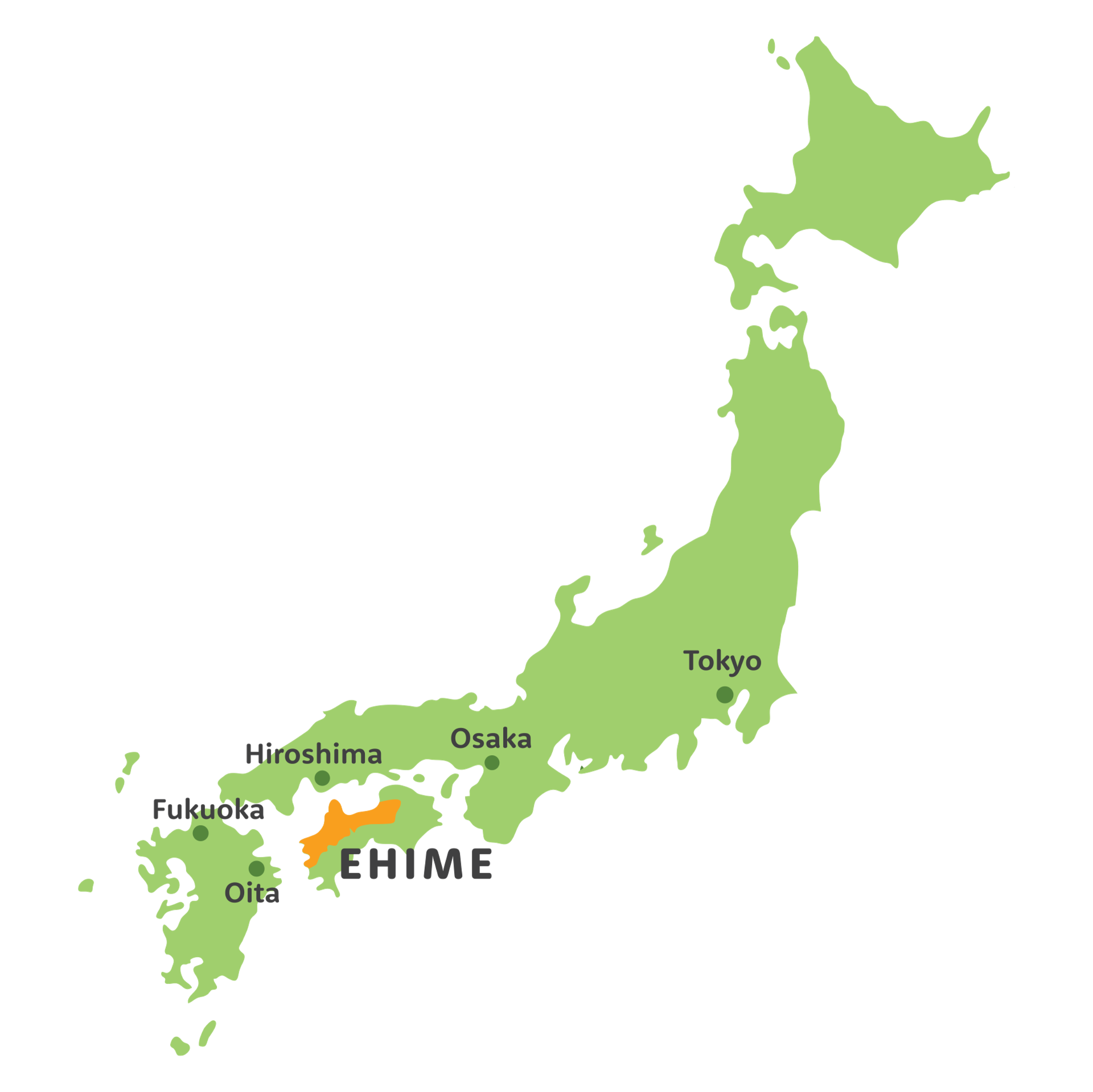
Map of Japan highlighting Ehime Prefecture on Shikoku island